Define the perimeter
Virtual machines, databases, files and messaging: we identify useful data and their rate of evolution. Frequency, retention period and locations are defined according to agreed needs.

Solution 04 / Backup & Recovery
We define what should be backed up, where to keep it and how to restore it. Backup and recovery answer two different questions.
Your offer in plain language
The proposal distinguishes the hosting environment, system administration, application maintenance and backups. The migration specifies the accesses to be recovered, the checks and the cutover schedule.
Preparing my project →Capacity, prices and commitments are detailed in your proposal, depending on your applications, volumes and operating methods chosen.
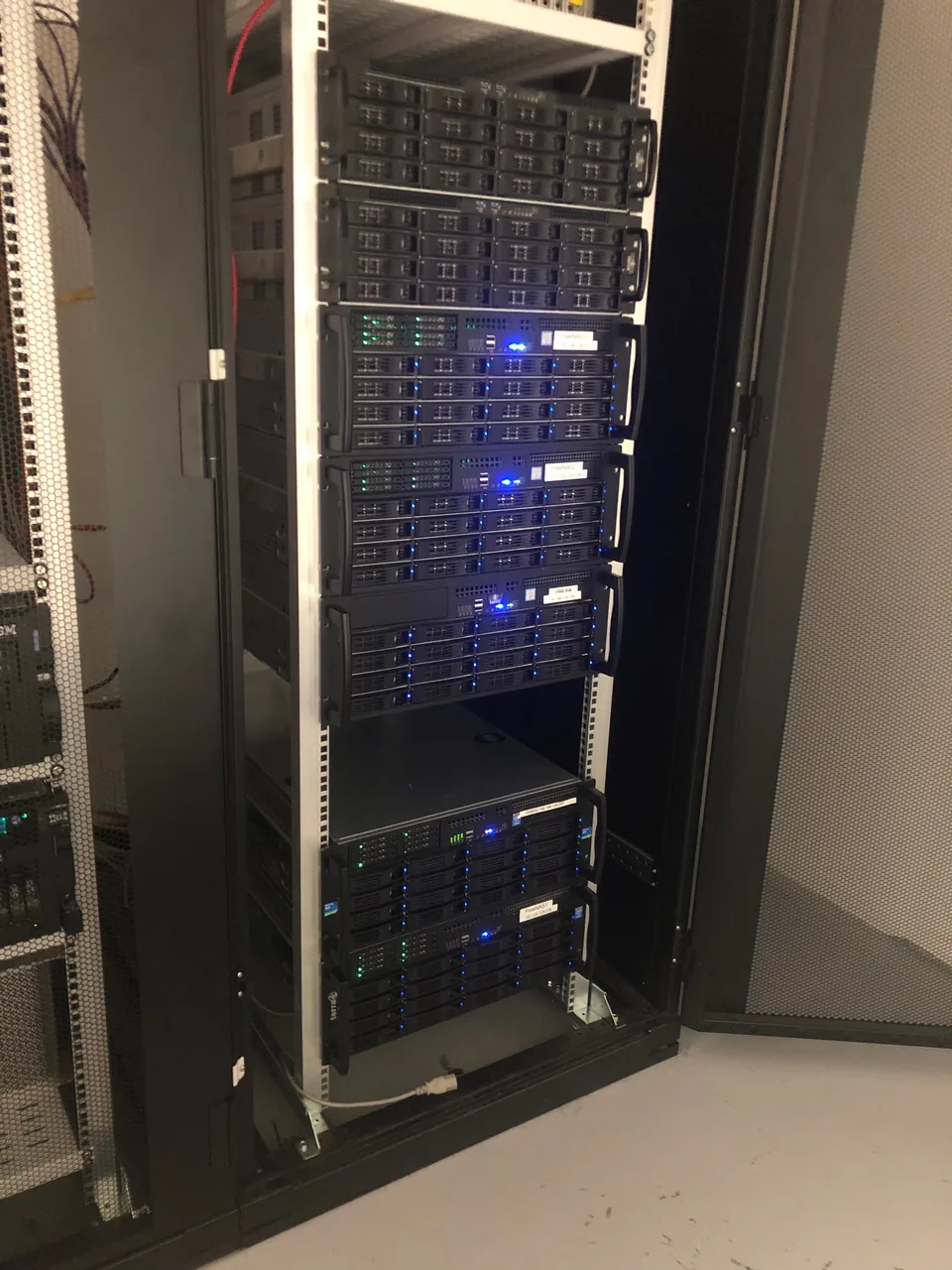
Virtual machines, databases, files and messaging: we identify useful data and their rate of evolution. Frequency, retention period and locations are defined according to agreed needs.
A backup report is not enough to prove that a service is restarting. We prepare restoration controls and dependencies for the return to service, depending on the scope of the contract.
Recovery should be thought of in the right order: network, access, data, applications and business verifications. The objectives of delay and acceptable data loss are set together, without generic promises.
Preparing your project
Not all workstations, servers and applications produce the same data. Some files can be recreated; others constitute the daily work of the company. A reflection on backup begins with this inventory and with the consequences of unavailability. The data center component can complement the local device when a remote copy is part of the chosen architecture.
Preparation must consider the volume, frequency of copies, access and how to find the data. Administration of backup tools and systems is the responsibility of Agedis; Cloudlab intervenes on the remote home pane defined for the project. The shelf life, operating conditions and recovery objectives are specified according to the needs and the means adopted.
Workstations, virtual machines, files and applications require appropriate verifications. The inventory must also identify the person who can validate a restoration.
The first copy, subsequent transfers, and backup windows depend on volumes and connectivity. These parameters should be examined before setting a frequency.
A backup is useful when you know how to find it and restore it. The project must specify the means, responsibilities and audits planned.
Preparation questions
Both respond to different scenarios. Their articulation depends on the data, expected deadlines and risks examined during the study.
You need to know the volumes, applications and means of restoration. The objectives are studied and specified within the agreed scope.
Understand and prepare
A deleted file, an unavailable machine and an inaccessible site do not call the same answer. The safeguard study describes the situations to be covered, the data to be retrieved and the conditions necessary to rework.
The recovery point objective, or RPO, expresses the acceptable loss of data in terms of duration: for example, modifications made since the last copy. The target time to restore service is the recovery time objective, or RTO. These benchmarks are defined by activity. They help choose means and controls; commitments are specified in the conditions agreed for the project.
Outsourcing adds a storage location separate from the company site, depending on the architecture chosen. It is necessary to specify the data transferred, the pace, the retention, the means of access and the management of authorizations. The time required for the first copy and recovery of a large volume depends in particular on connectivity. Agedis configures and monitors system backup tools; Cloudlab examines the remote home pane and its operating conditions.
The test can relate to a file, a database or a complete machine. Its scope, date, data used and person responsible for validation are defined before the operation. The provision of data and the restart of the business service are checked separately. The report must make it possible to find what was restored, the checks carried out and the limits noted. The frequency of these tests and their support are specified in the chosen scope.
An application may depend on network, accounts, a core server, documents and an external service. The recovery scenario puts these dependencies in the order needed. It must also specify who decides the launch, who restores the system and who validates the use. Dtouch intervenes if the restart requires a verification of the software or its exchanges. The file remains usable when steps, contacts and checkpoints are accessible to authorized persons.
To prepare the study, identify the activities to be restarted as a priority, the people who know the software and the latest data they need to find. This starting point helps you choose a suitable recovery scenario.
Our method
Your uses, existing, constraints and priorities.
The perimeter, access, recovery and verifications.
Commissioning and monitoring agreed with you.
Complementary expertise, the same high standards.